

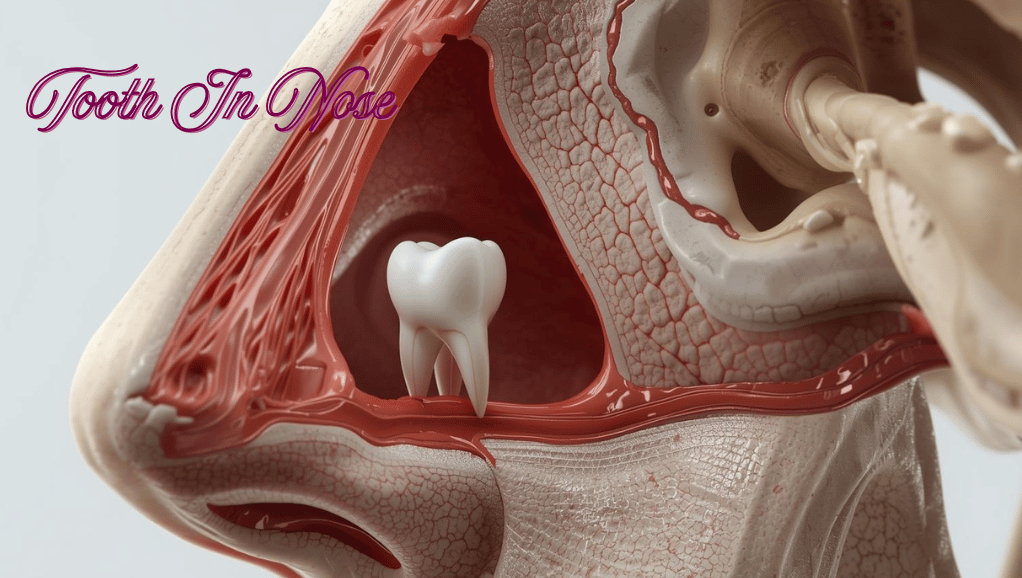
A tooth in nose is an extremely rare and surprising medical condition that can leave both patients and healthcare professionals puzzled. Unlike a typical tooth that grows in the mouth, a nasal ectopic tooth develops or erupts inside the nasal cavity, often without warning.
While some people may notice only mild discomfort or nasal congestion, others may experience persistent symptoms such as nosebleeds, sinus infections, or unusual nasal blockage. Although uncommon, a tooth in nose can lead to complications if left untreated, making early diagnosis and proper treatment essential for restoring normal nasal function and preventing long-term problems.
This ultimate guide explains everything you need to know about tooth in nose cases, including causes, symptoms, diagnosis, treatment options, possible complications, prevention strategies, and recovery expectations.
| Topic | Overview |
| Definition | A tooth in nose, or nasal ectopic tooth, occurs when a tooth develops or erupts in the nasal cavity instead of the mouth. |
| Causes | Developmental abnormalities, supernumerary teeth, cleft lip/palate, facial trauma, dental infections or cysts, and genetic factors. |
| Symptoms | Chronic nasal congestion, difficulty breathing through one nostril, recurrent nosebleeds, nasal pain or pressure, foul-smelling discharge, sinus infections, facial pain, postnasal drip, and in some cases. Some cases are asymptomatic. |
| When to Suspect | Persistent one-sided nasal blockage, recurrent sinus infections unresponsive to treatment, unexplained nasal bleeding, and chronic nasal pain. |
| Diagnosis | Physical examination (nasal endoscopy), X-rays, CT scan, and dental assessment. Conditions to rule out: nasal polyps, rhinoliths, foreign bodies, and benign/malignant tumors. |
| Treatment | Surgical removal (endoscopic nasal surgery) is most common. Rare cases may involve observation. Post-treatment care includes antibiotics, pain relief, saline sprays, and follow-up visits. |
| Possible Complications | Chronic sinusitis, recurrent nasal infections, nasal septum perforation, nasal polyps, persistent nosebleeds, rare facial bone erosion, breathing difficulties, and reduced quality of life. |
| Prevention | Regular dental checkups, early treatment of dental abnormalities, monitoring children with cleft lip/palate, prompt treatment of facial injuries, and imaging for persistent nasal symptoms. |
| Recovery | Mild nasal discomfort, congestion, and minor bleeding initially. Most patients resume normal activities in a few days; complete healing in 2–4 weeks. Follow-up visits are recommended. |
| Prognosis | Excellent with proper treatment. Surgical removal is usually curative; recurrence is rare; long-term complications are uncommon. |
Tooth is Nose

A tooth in the nose is an extremely rare medical condition in which a tooth grows or erupts in the nasal cavity instead of its normal position in the mouth. Medically known as a nasal ectopic tooth, this unusual condition can cause a variety of symptoms, including nasal obstruction, recurrent sinus infections, nasal bleeding, and facial discomfort.
While many cases are discovered incidentally, early recognition and proper diagnosis are essential to prevent complications and ensure effective treatment. Because the symptoms often mimic more common nasal issues, such as sinusitis or nasal polyps, a tooth in nose can go undiagnosed for years.
How Common Is a Tooth in the Nose?
- Nasal ectopic teeth are extremely rare.
- They occur more frequently in:
- Children and young adults
- Individuals with congenital facial abnormalities
- Patients with a history of facial trauma or dental surgery
- Because symptoms often resemble common nasal conditions, many cases remain undiagnosed for years.
Causes of Tooth in the Nose
A tooth in the nose can develop due to a variety of factors. These causes may be congenital, meaning present from birth, or acquired, developing later in life as a result of injury, infection, or abnormal tooth growth.
Developmental Abnormalities
Abnormal facial or dental development during pregnancy can interfere with normal tooth formation and eruption. When this process is disrupted, a tooth may grow in an incorrect direction and emerge inside the nasal cavity.
Supernumerary Teeth
Supernumerary teeth are extra teeth that form in addition to the normal set. These teeth often erupt in unusual locations, increasing the risk of a tooth appearing in the nasal cavity instead of the mouth.
Cleft Lip or Cleft Palate
Cleft lip or cleft palate causes structural changes in the face and jaw. These abnormalities can alter the normal eruption path of teeth, allowing them to migrate into the nasal cavity.
Facial Trauma
Facial injuries caused by accidents, falls, or physical impact can displace teeth from their original position. In some cases, trauma forces a tooth upward into the nasal cavity.
Dental Infections or Cysts
Dental infections or cysts can exert pressure on nearby teeth. Over time, this pressure may push a tooth out of its natural alignment and into the nasal cavity.
Genetic Factors
Certain genetic conditions affect how teeth form and develop. These inherited factors can increase the likelihood of abnormal tooth placement, including eruption into the nose.
Symptoms of a Tooth in the Nose
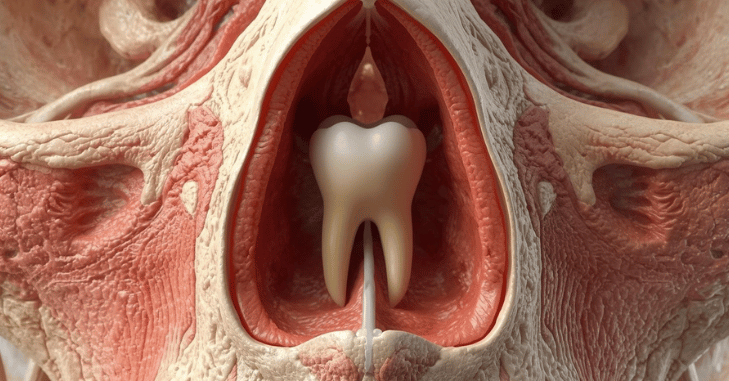
Symptoms vary depending on the size, position, and orientation of the tooth. Some individuals may have no symptoms at all, while others experience persistent discomfort.
Common Symptoms
- Chronic nasal congestion, often on one side
- Difficulty breathing through one nostril
- Recurrent or unexplained nosebleeds
- Nasal pain or pressure
- Foul-smelling nasal discharge
- Recurrent sinus infections
- Facial pain or headaches
- Postnasal drip
- Visible hard or white structure inside the nose (in some cases)
Asymptomatic Cases
- Some patients experience no symptoms
- The condition is discovered incidentally during imaging for unrelated issues
When to Suspect a Tooth in the Nose
You should suspect a tooth in nose and seek medical evaluation if you experience persistent one-sided nasal blockage, recurrent sinus infections that do not respond to standard treatment, unexplained nasal bleeding, or chronic nasal pain with no clear cause. Early evaluation is important, as timely diagnosis and treatment can help prevent complications and long-term damage.
Diagnosis of a Tooth in the Nose

Accurate diagnosis is crucial to distinguish a nasal ectopic tooth from other nasal masses and to guide appropriate treatment. A combination of clinical examination and imaging studies is typically used.
Physical Examination
An ENT specialist can often visualize the tooth during a nasal endoscopy. This allows direct observation of the tooth’s position and its effect on the surrounding nasal tissues.
X-Rays
Dental or nasal X-rays can reveal tooth-like structures and help confirm the dental origin of the nasal mass. X-rays are a simple and effective first step in diagnosis.
CT scan
A CT scan provides detailed, three-dimensional images of the tooth position and its relationship to surrounding structures such as the nasal cavity and sinuses. This helps in planning surgical removal if needed.
Dental Assessment
A dental evaluation is important to determine whether the tooth is supernumerary (extra) or displaced from its normal position. This information guides both ENT and dental specialists in treatment planning.
Conditions That Must Be Ruled Out
- Nasal polyps
- Rhinoliths (calcified nasal masses)
- Foreign bodies
- Benign or malignant tumors
Treatment Options for a Tooth in the Nose

Treatment for a tooth in the nose depends on the severity of symptoms, the risk of complications, and the location of the tooth. In most cases, intervention is necessary to relieve discomfort and prevent long-term issues.
Surgical Removal
Surgical removal is the most common and effective treatment. Endoscopic nasal surgery is the preferred approach, as it is minimally invasive and results in minimal scarring. The procedure is usually performed by an ENT surgeon and may involve a dentist or or oral surgeon if needed. Surgical removal provides quick relief from symptoms and prevents potential complications such as infections or chronic nasal obstruction.
Observation and Monitoring
In rare instances, treatment may involve careful observation rather than immediate surgery. This approach is considered only if the patient is asymptomatic and there is no risk of infection or obstruction. Patients under observation require regular follow-ups and imaging to monitor changes in the tooth position or the development of symptoms.
Post-Treatment Care
After surgical removal, proper post-treatment care is important for a smooth recovery. Care may include antibiotics if an infection is present, pain relievers to manage discomfort, and saline nasal sprays or rinses to keep the nasal cavity clean. Follow-up visits with the ENT specialist are essential to ensure complete healing and to check for any residual or recurring issues.
Post-Treatment Care May Include
- Antibiotics if infection is present
- Pain relievers
- Saline nasal sprays or rinses
- Follow-up visits to ensure complete healing
Possible Complications
If left untreated, a tooth in the nose can lead to serious and long-term complications. Potential issues include chronic sinusitis, recurrent nasal infections, nasal septum perforation, formation of nasal polyps, persistent nosebleeds, rare cases of facial bone erosion, breathing difficulties, and a reduced overall quality of life.
Prompt diagnosis and treatment are essential, as they significantly reduce the risk of these complications and help restore normal nasal function.
Prevention of Tooth in the Nose
- Regular dental checkups during childhood and adolescence
- Early treatment of dental abnormalities
- Monitoring children with cleft lip or palate
- Prompt treatment of facial injuries
- Imaging studies when unexplained nasal symptoms persist
- Early diagnosis is the most effective form of prevention against complications.
Recovery After Tooth in Nose Surgery
Recovery after surgical removal of a tooth in nose is generally smooth and uncomplicated. Proper care during the healing period ensures faster recovery and reduces the risk of complications.
What to Expect During Recovery
During the initial recovery period, patients may experience mild nasal discomfort or swelling, temporary nasal congestion, and minor bleeding for a short time. These symptoms are normal and typically resolve within a few days.
Recovery Timeline
Most patients can resume normal activities within a few days following surgery. Complete healing usually occurs within 2 to 4 weeks. Follow-up visits with the ENT specialist are important to ensure proper healing and to check for any residual or recurring issues.
Recovery Tips
To support proper healing, patients should avoid blowing their nose forcefully and follow the ENT’s instructions for using saline sprays or rinses. Completing all prescribed medications and attending follow-up appointments are essential steps to ensure a smooth and complication-free recovery.
Long-Term Outlook and Prognosis
The prognosis for patients with a tooth in the nose is excellent when properly treated.
- Surgical removal is usually curative
- Recurrence is extremely rare
- Most patients experience complete symptom resolution
- Long-term complications are uncommon after treatment
Conclusion
A tooth in nose is a rare but significant medical condition that can cause persistent nasal symptoms and discomfort if left untreated. Early recognition, accurate diagnosis, and appropriate treatment, often involving surgical removal, are essential to prevent complications such as chronic sinus infections, nasal obstruction, or facial damage.
With modern imaging techniques and minimally invasive procedures, treatment for a tooth in nose is highly effective, leading to excellent recovery and long-term outcomes. Anyone experiencing unexplained nasal issues should consult an ENT specialist or dentist promptly to ensure timely management and a full resolution of symptoms.
Apart from that, if you want to know more about then visit our Lifestyle category.
FAQs
Ectopic teeth may develop into the nasal cavity or appear as extra teeth on the palate.
However, despite their endearing name, they are nothing but innocuous. Significant enamel degradation is indicated by visible cupping.
The top teeth’ roots may even reach into the sinus cavity. As a result, pain in neighboring teeth may result from sinus inflammation.
Speech issues, persistent rhinorrhea, and nasal blockage can all be brought on by intranasal teeth.