


For drivers looking to combine efficiency, convenience, and eco-friendly performance, plug-in hybrid vehicles (PHEVs) have emerged as a game-changer. These innovative cars pair a powerful electric motor with a traditional gasoline engine, allowing you to enjoy electric-only driving for short trips while keeping the flexibility for longer journeys.
Beyond saving fuel and reducing emissions, the Best Plug In Hybrid models offer advanced technology, smart energy management, and comfortable interiors, making them ideal for daily commutes, weekend adventures, or family outings. With their unique ability to deliver both sustainability and practicality, PHEVs are redefining what it means to drive efficiently without compromise.
| Best Plug in Hybrid | Vehicle Type | Electric Range | Efficiency | Key Strength |
| Toyota Prius Prime | Compact Hatchback | 25 miles | 133 MPGe | Exceptional efficiency & reliability |
| Hyundai Ioniq PHEV | Compact Hatchback | 29 miles | 119 MPGe | Sleek design & city-friendly driving |
| Kia Niro PHEV | Compact SUV | 26 miles | 105 MPGe | Spacious interior versatility |
| BMW 330e | Luxury Sedan | 22 miles | 75 MPGe | Sporty performance with premium feel |
| Volvo XC60 Recharge | Luxury SUV | 19 miles | 57 MPGe | Safety-focused luxury & comfort |
| Ford Escape PHEV | Compact SUV | 37 miles | 100 MPGe | Long electric range & practicality |
What Is a Plug in Hybrid?
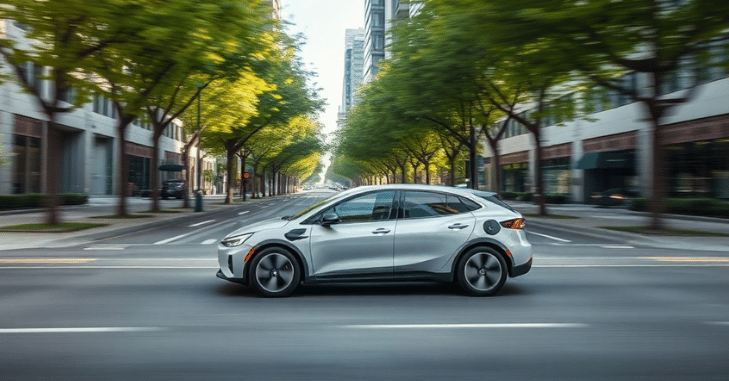
As more drivers seek eco-friendly alternatives without sacrificing convenience or performance, the Best Plug in Hybrid vehicles have emerged as a top choice. Combining the efficiency of electric driving with the flexibility of a gasoline engine, these cars offer the perfect balance for daily commutes, weekend trips, and longer journeys.
With advances in battery technology, sleek designs, and cutting-edge features, plug-in hybrids deliver impressive fuel economy, reduced emissions, and versatile driving options. Whether you’re looking to cut down on fuel costs, lessen your environmental impact, enjoy quiet electric‑mode driving, or benefit from extended range on longer journeys, the Best Plug in Hybrid models today provide a well‑rounded driving experience.
Benefits of Plug-In Hybrids
- Fuel efficiency: PHEVs can operate in electric-only mode for daily commutes, drastically reducing gasoline consumption
- Eco-friendly driving: Reduced emissions compared to conventional gasoline vehicles help lower your carbon footprint
- Performance: Many PHEVs deliver instant torque and responsive acceleration thanks to electric motors
- Flexibility: No range anxiety; the gasoline engine allows long-distance travel without frequent charging
- Tax incentives & rebates: Many governments offer incentives for PHEV purchases, making them cost-effective in the long run
Top Factors to Consider When Choosing a Plug-In Hybrid

Selecting the right plug-in hybrid requires careful consideration of efficiency, performance, and lifestyle needs. Understanding the key factors can help you choose a vehicle that fits your daily routine and driving preferences.
Electric-Only Range
The electric-only range is a key factor to consider when choosing the best plug-in hybrid, as it determines how far you can drive using battery power alone. Short-range PHEVs typically cover about 20–40 miles on electricity, making them ideal for daily commutes and short trips. Long-range PHEVs offer 50+ miles of electric driving, providing greater flexibility and minimizing gasoline usage for most everyday journeys.
Fuel Efficiency
Fuel efficiency is measured in miles per gallon (MPG) for gasoline operation or MPGe for electric driving. Higher MPG or MPGe means lower fuel costs and a smaller environmental footprint. Choosing a PHEV with strong efficiency ensures maximum savings and eco-friendly performance over time.
Performance & Power

Horsepower and torque are key indicators of a plug-in hybrid’s performance. Many modern PHEVs deliver acceleration and responsiveness comparable to conventional gas vehicles, allowing smooth overtaking and enjoyable driving. Additionally, some models offer towing capabilities for extra versatility.
Charging Options
Plug-in hybrids can be charged using different methods. Level 1 charging uses a standard 120V home outlet, which is convenient but slower. Level 2 charging uses a 240V outlet, enabling faster home or public charging. Considering your access to charging infrastructure is important for daily convenience.
Interior Space
Interior comfort and space play a crucial role in the overall driving experience. Evaluate seating capacity, cargo space, and infotainment features to ensure the PHEV meets your needs for commuting, travel, or family outings. A well-designed cabin enhances both comfort and practicality.
Best Plug In Hybrid

- Toyota Prius Prime: Reliable and efficient for eco-conscious commuters, it offers 25 miles of electric range and 133 MPGe combined, featuring a comfortable cabin and advanced safety technologies.
- Hyundai Ioniq Plug-In Hybrid: Provides 29 miles of electric-only driving and 119 MPGe combined, with a sleek design and user-friendly infotainment, ideal for city driving.
- Kia Niro Plug-In Hybrid: A compact SUV with a spacious interior and smooth handling, 26 miles of electric range and 105 MPGe, and versatile for families and daily use.
- BMW 330e: Luxury sedan with sporty performance, 22 miles of electric range, and 75 MPGe combined, blending style, power, and hybrid efficiency.
- Volvo XC60 Recharge: Scandinavian luxury SUV with safety-focused features, 19 miles of electric range, and 57 MPGe combined, perfect for drivers seeking a premium experience.
- Ford Escape Plug-In Hybrid: Long electric range at 37 miles and 100 MPGe combined, with practical cargo space and a flexible interior, great for longer commutes.
Tips for Maximizing Efficiency
Ensuring your plug-in hybrid operates at its best requires a few simple but effective habits. By following these tips, you can get the most out of your PHEV’s electric and hybrid capabilities while reducing fuel consumption and wear.
Charge Your PHEV Regularly
Regular charging allows you to take full advantage of electric-only driving for short trips. Keeping the battery topped up minimizes gasoline usage and increases overall efficiency, especially for daily commutes.
Use Eco-Driving Modes
Best plug in hybrid vehicles offer eco-driving or energy-saving modes. Using these modes helps optimize battery use, reduce fuel consumption, and encourage smoother acceleration and braking.
Plan Routes Around Charging Stations
If your trip requires longer distances, planning routes to include home or public charging stations ensures that you can maximize electric driving whenever possible. This reduces reliance on the gasoline engine and keeps your PHEV operating efficiently.
Avoid Heavy Acceleration and Excess Weight
Aggressive driving, rapid acceleration, and carrying unnecessary weight can drain the battery and reduce fuel efficiency. Driving smoothly and keeping the vehicle light helps extend both electric range and overall efficiency.
Maintain Tires and Vehicle Health
Regular maintenance, including keeping tires properly inflated, checking fluid levels, and servicing the engine, ensures your PHEV performs at its best. Properly maintained vehicles maintain optimal electric and fuel efficiency over time.
Sustainability & Long-Term Benefits

Best Plug in hybrids reduce fuel costs and help drivers achieve long-term sustainability goals. Lower greenhouse gas emissions support cleaner air and a greener future. Many PHEVs also use eco-friendly materials, enhancing their environmental impact.
Additional Sustainability Advantages
- Reduced carbon footprint compared to gasoline vehicles
- Lower dependency on fossil fuels
- Support for renewable energy use when charging from solar or wind sources
Conclusion
Choosing the Best Plug In Hybrid allows drivers to enjoy the perfect combination of electric efficiency, gas flexibility, and eco-friendly performance. These vehicles not only provide cost savings through reduced fuel consumption but also support sustainable driving habits and lower environmental impact.
By selecting a PHEV that fits your lifestyle, daily commute, or family needs, you can experience comfort, versatility, and advanced technology while contributing to a greener future.
With top models like the Toyota Prius Prime, Hyundai Ioniq, Kia Niro, BMW 330e, Volvo XC60 Recharge, and Ford Escape Plug-In Hybrid, investing in the Best Plug in Hybrid ensures a smart, efficient, and sustainable driving experience for years to come.
Apart from that, if you want to know more about 2025 Toyota Grand Highlander Hybrid: Everything You Need to Know Price, MPG, Interior Space, XLE, Limited, Max Platinum & Nightshade Edition then visit our Automobile category.
FAQs
Hybrid engines still use oil, but because the gasoline engine doesn’t run as frequently, oil change intervals are often extended.
In order to save gasoline and cut emissions, a plug-in hybrid is worthwhile if you can charge it frequently and drive mostly in cities.
Depending on usage, environment, and upkeep, most plug-in hybrid batteries have a lifespan of 8 to 15 years.
For dependability and efficiency, Toyota’s best plug-in hybrid is the Prius Plug-In Hybrid.