

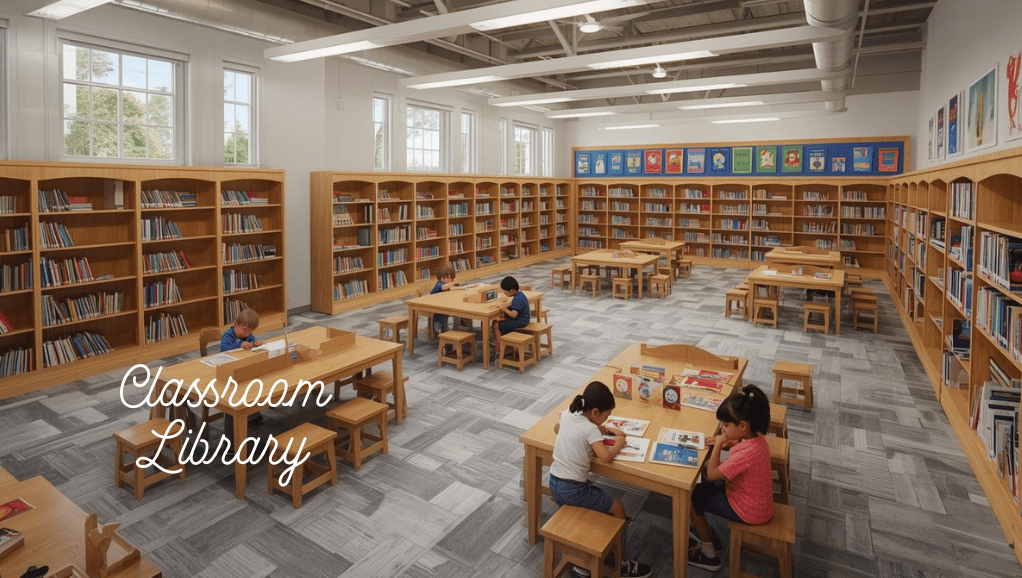
Step into a Classroom Library, and you step into a world of endless possibilities. It’s not just a place for books; it’s a launchpad for imagination, curiosity, and discovery. Each story invites students to travel to new lands, meet fascinating characters, and explore ideas beyond the classroom walls.
With a thoughtfully curated collection, a classroom library inspires young minds to think creatively, build essential literacy skills, and develop a lifelong love for reading. It’s where learning becomes an adventure, and every book holds the power to unlock confidence, curiosity, and a passion for knowledge.
In this article, we explore the importance of classroom libraries, strategies for building an effective reading space, tips for fostering a love of reading, and the long-term benefits of cultivating literacy skills in young learners.
| Category | Overview |
| Purpose of Classroom Library | A gateway to imagination, knowledge, and lifelong learning; encourages curiosity, independent exploration, creativity, and literacy development. |
| Benefits | Encourages independent reading, supports differentiated learning, enhances vocabulary and comprehension, promotes empathy and cultural awareness. |
| Design Considerations | Accessible shelving, comfortable seating, organized by genre or theme, rotating book selection, and a visually appealing setup. |
| Fostering a Love for Reading | Student choice in books, read-aloud sessions, book talks, peer recommendations, reading incentives, and challenges. |
| Encouraging Creativity | Storytelling and writing prompts, book-inspired art projects, drama and role play, and problem-solving scenarios from interactive books. |
| Enhancing Literacy Skills | Vocabulary expansion, comprehension improvement, critical thinking, phonics and decoding, and reading fluency development. |
| Inclusive & Diverse Reading | Multicultural books, diverse abilities and experiences, social-emotional learning, and historical and scientific figures from diverse communities. |
| Classroom Library Activities | Reading circles, book journals, author studies, literacy games, and library reading challenges. |
| Technology Integration | E-books, audiobooks, interactive apps, digital book reports, and online book clubs. |
| Overall Impact | Inspires curiosity, creativity, and lifelong love of reading; builds essential literacy skills, confidence, solving abilities, and academic growth. |
Classroom Library
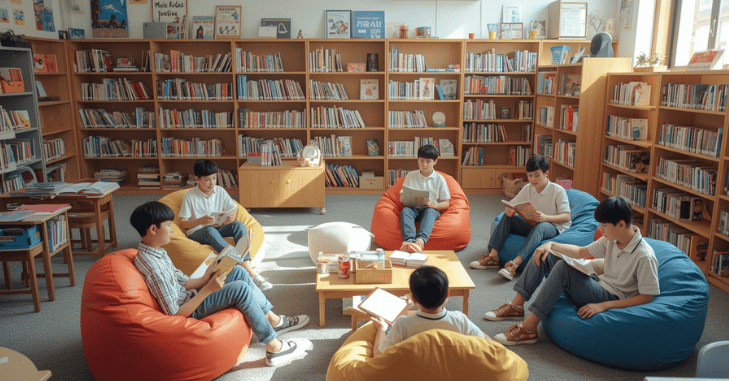
A Classroom Library is more than just a shelf of books; it’s a gateway to imagination, knowledge, and lifelong learning. By providing students with access to a variety of genres, authors, and formats, a classroom library nurtures curiosity, encourages independent exploration, and fosters a genuine love for reading.
When thoughtfully designed, it becomes a vibrant space where young minds can build essential literacy skills, develop creativity, and gain confidence in their learning abilities.
Designing an Effective Classroom Library
Key Design Considerations
- Accessible Shelving: Place books at eye level for students of all ages to encourage independence.
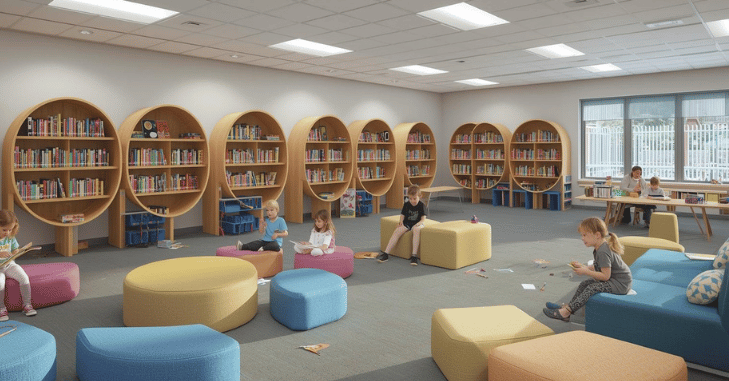
- Comfortable Seating: Include beanbags, cushions, or reading nooks for relaxed reading experiences.
- Organized by Genre or Theme: Arrange books by categories such as fiction, non-fiction, biographies, poetry, or multicultural stories.
- Rotating Selection: Introduce seasonal books or trending titles to maintain engagement.
- Visual Appeal: Use colorful displays, posters, or themed decor to make the library inviting.
Fostering a Love for Reading

A classroom library is most effective when it encourages students to enjoy reading rather than simply completing assignments. Teachers can cultivate a lifelong love of reading through intentional practices and supportive guidance.
Strategies to Encourage Reading
- Choice Matters: Allow students to select books based on interest, not just grade level.
- Read-Aloud Sessions: Model fluent reading and introduce students to diverse genres.
- Book Talks: Share brief discussions or reviews about interesting books to spark curiosity.
- Peer Recommendations: Encourage students to recommend their favorite books to classmates.
- Incentive Programs: Use reading challenges, bookmarks, or small rewards to motivate engagement.
Encouraging Creativity Through Reading

Books do more than improve literacy; they inspire imagination, innovation, and creative thinking. A classroom library can serve as a launchpad for students to explore new ideas and express themselves in diverse ways.
By combining reading with creative activities, teachers encourage students to process stories, imagine new possibilities, and translate their reading experiences into unique creations.
Storytelling and Writing Prompts
Students can create their own stories inspired by the characters, plots, or themes they encounter in books. This activity encourages narrative thinking, personal expression, and strengthens writing skills. By organizing ideas into coherent stories, students also develop logical thinking and communication abilities.
Book-Inspired Art Projects
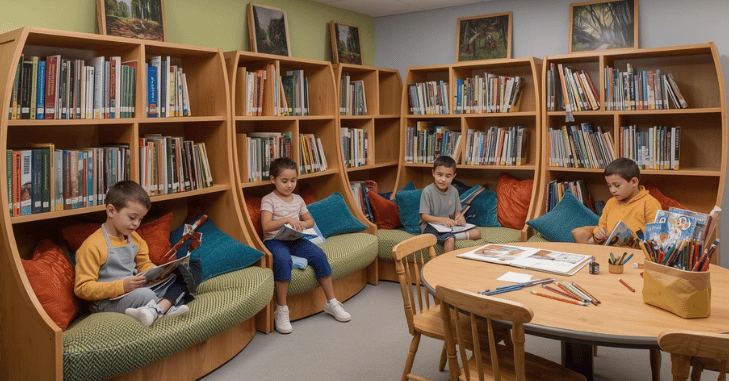
Books can inspire a wide range of artistic projects. Students can draw, paint, or craft items based on what they read, turning stories into visual creations. These projects foster creativity, enhance visual interpretation skills, and help students express their understanding of characters, settings, and events in imaginative ways.
Drama and Role Play
Acting out scenes from books allows students to bring stories to life. Drama and role play enhance comprehension, empathy, and teamwork. By stepping into the shoes of different characters, students deepen their understanding of plot, character motivations, and social dynamics within stories.
Problem-Solving Scenarios
Interactive books, including choose-your-own-adventure stories, challenge students to make decisions that affect outcomes. These scenarios promote critical thinking, strategic planning, and decision-making skills. By experimenting with different choices, students learn the consequences of their actions in a safe, creative environment.
Enhancing Literacy Skills
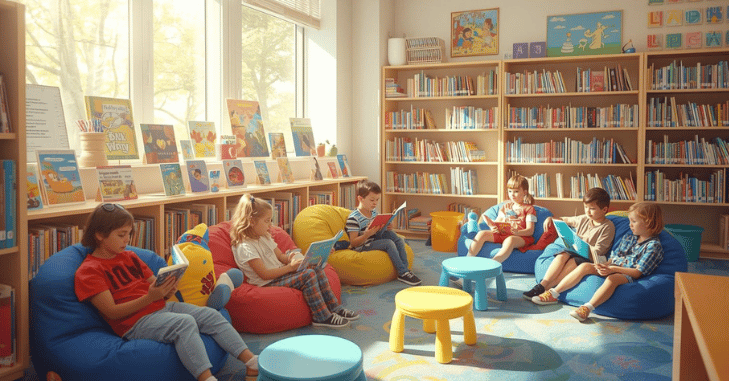
A classroom library is a critical tool for building foundational literacy skills across multiple dimensions. With access to a variety of texts, students improve reading fluency, comprehension, vocabulary, and analytical thinking.
Key Literacy Benefits
- Vocabulary Expansion: Exposure to diverse language patterns and contexts.
- Comprehension Skills: Understanding plot, character development, and thematic elements.
- Critical Thinking: Comparing ideas, identifying cause and effect, and evaluating characters’ decisions.
- Phonics and Decoding: Early readers strengthen word recognition through repetitive exposure.
- Reading Fluency: Consistent practice leads to smoother, confident reading.
Promoting Inclusive and Diverse Reading
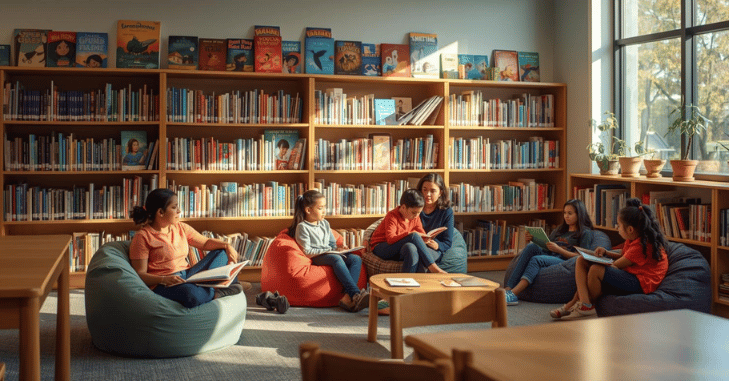
Incorporating multicultural stories from various regions and backgrounds, books highlighting different abilities, genders, and experiences, stories addressing social-emotional learning and empathy, and non-fiction texts about historical figures, scientists, and innovators from diverse communities ensures that all students feel represented.
A thoughtfully curated classroom library reflects diversity and inclusivity, helping students see themselves in literature while understanding perspectives different from their own. Exposure to inclusive literature fosters empathy, cultural awareness, and open-mindedness, helping students develop a deeper understanding of the world around them while appreciating the richness of diverse experiences.
Classroom Library Activities to Engage Students
Activity Ideas
- Reading Circles: Small groups discuss shared books and themes.
- Book Journals: Students reflect on what they read, summarize, and express personal connections.
- Author Studies: Focus on an author’s style and recurring themes in multiple works.
- Literacy Games: Word searches, vocabulary bingo, and comprehension quizzes.
- Library Challenges: Track books read over a month to encourage consistent engagement.
Integrating Technology in the Classroom Library
- E-books and Audiobooks: Provide alternative formats for struggling readers or visual learners.
- Interactive Reading Apps: Games and challenges that reinforce comprehension and vocabulary.
- Digital Book Reports: Students create slideshows or videos summarizing their readings.
- Online Book Clubs: Virtual discussions connecting students across classrooms or schools.
Conclusion
A Classroom Library is more than just a collection of books; it’s a vibrant learning hub that inspires curiosity, creativity, and a lifelong love of reading. By providing access to diverse genres, inclusive stories, and engaging activities, a classroom library nurtures essential literacy skills, encourages independent thinking, and supports social-emotional growth.
Integrating creative projects, technology, and collaborative exercises ensures that students not only improve their reading fluency and comprehension but also develop imagination, problem-solving abilities, and critical thinking.
Investigating a well-designed classroom library empowers young learners to explore new ideas, build confidence, and cultivate habits that will serve them academically and personally throughout their lives.
Want to know about Academic Goals Examples: Clear Targets to Boost Focus, Motivation, and Success Across All Educational Levels Check out our Education category.
FAQs
Classroom libraries are many different things, but fundamentally they are a small, supervised space where students may interact with materials that are appropriate for their level and develop both a love of reading and selective reading abilities.
A class library is a group of classes and other reusable software elements, like value types and interfaces, in object-oriented programming.
Class libraries are made to encourage maintainability, modularity, and code reuse.
The Dewey Decimal Classification, the Library of Congress Classification, the Bliss Classification, and the Colon Classification are some of the most widely used systems in use today.