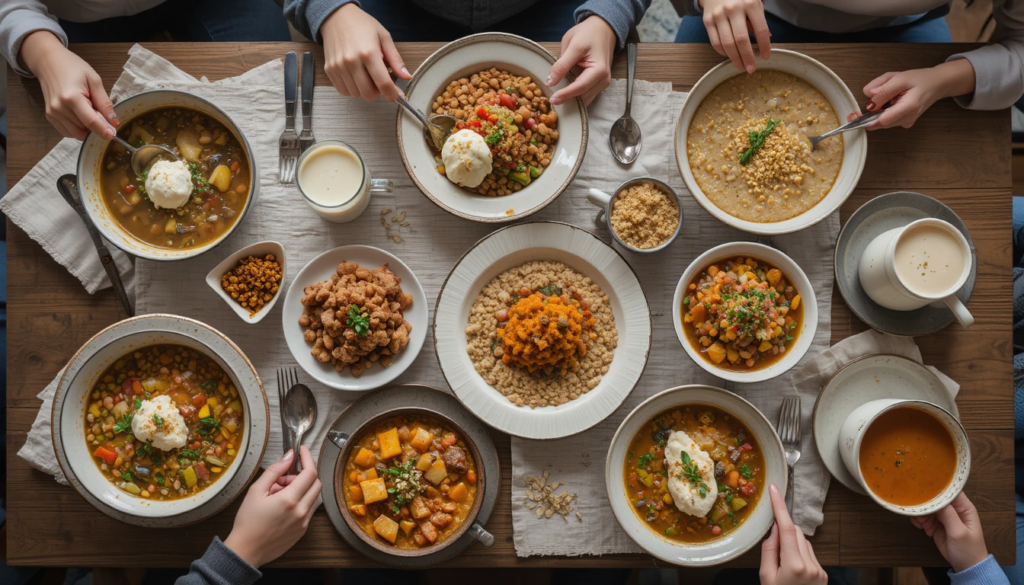


Dutch ovens are a classic and versatile tool in any kitchen, valued for their ability to retain heat and create deeply flavorful meals. Popular Dutch oven recipes such as classic beef stew, vegetarian chili, braised short ribs, no-knead artisan bread, pulled pork, and apple crisp showcase both savory and sweet options. Ingredient costs range from $3–5 for artisan bread to $18–22 for a family-sized beef stew, while high-quality Dutch ovens cost between $40 and $250, depending on whether they are cast iron or enameled.
Following Dutch oven recipes allows home cooks to master slow cooking, searing, braising, and baking, producing tender meats, rich sauces, and golden crusts. These recipes balance taste, texture, and budget, making them perfect for everyday meals or special occasions.
| Dish | Main Ingredients | Method | Flavor | Cost & Equipment |
| Classic Beef Stew | Beef, onions, carrots, potatoes, herbs | Brown, add broth, and slow cook | Rich, hearty | $18–22; cast-iron Dutch oven |
| Vegetarian Chili | Beans, peppers, onions, corn, tomatoes, spices | Sauté, slow cook | Hearty, smoky | $12–15; Dutchoven |
| Braised Short Ribs | Beef ribs, wine, broth, onions, garlic, rosemary | Sear, simmer | Savory, tender | $18–20; enameled Dutch oven |
| No-Knead Artisan Bread | Flour, yeast, salt, water | Rest the dough, bake | Crisp crust, soft | $3–5; cast-iron/ceramic Dutch oven |
| Pulled Pork | Pork shoulder, spices, broth, BBQ sauce | Rub, sear, slow cook | Smoky, tangy | $15–18; sturdy Dutch oven |
| Apple Crisp | Apples, sugar, cinnamon, oats, butter | Mix, bake | Sweet, crunchy | $8–10; enameled Dutch oven |
Dutch Oven Recipes
Classic Beef Stew
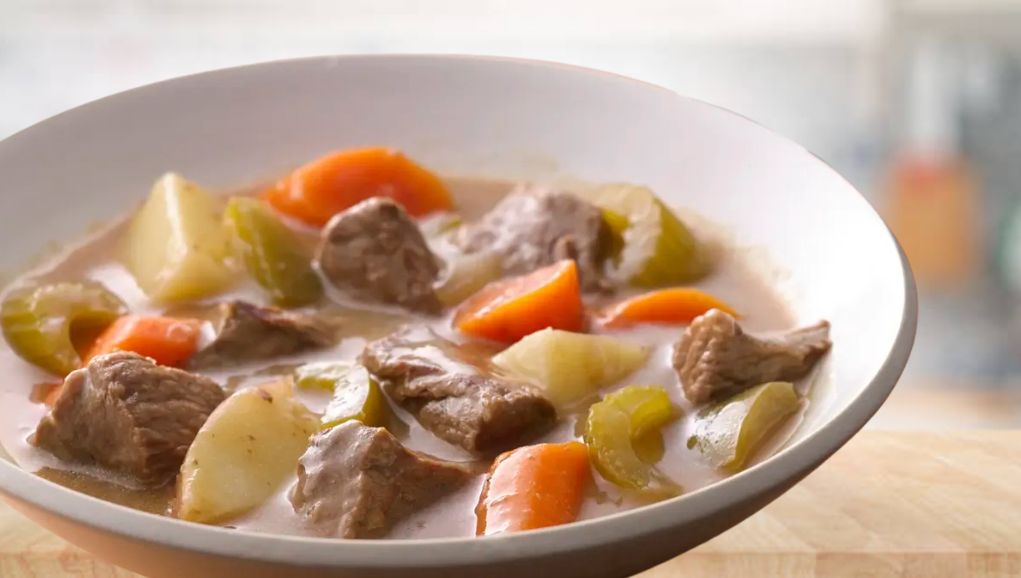
Classic beef stew is made with cubed beef chuck, onions, carrots, potatoes, and celery. Brown the meat in olive oil, then add beef broth, tomato paste, and herbs like thyme and bay leaves. Slow-cooking in a Dutch oven tenderizes the meat and creates a rich, hearty flavor. This meal costs around $18–22 for a family-sized portion, and a heavy cast-iron pot is ideal for it.
Vegetarian Chili
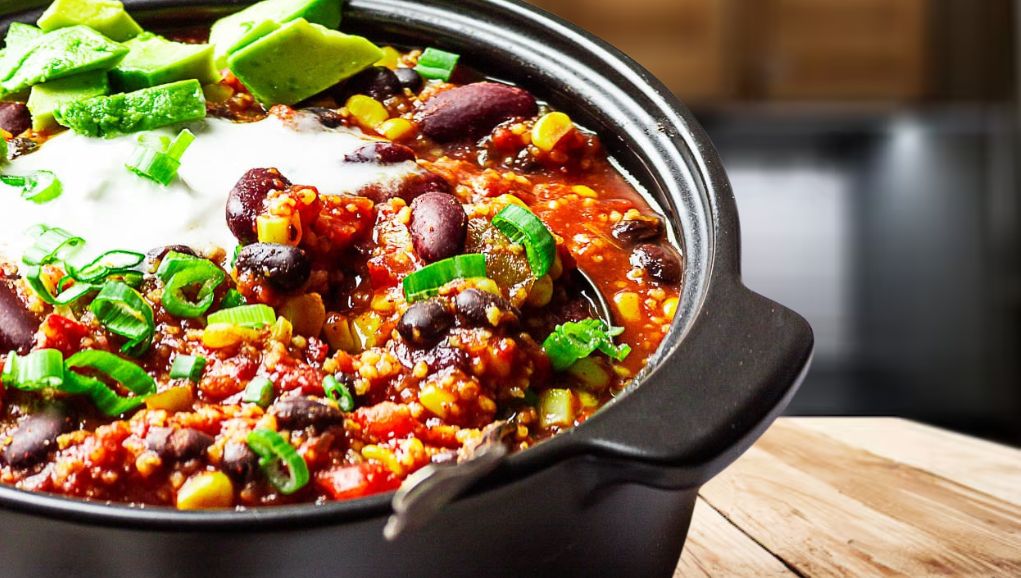
Vegetarian chili combines kidney beans, black beans, bell peppers, onions, corn, and diced tomatoes. Spices like cumin, chili powder, smoked paprika, and garlic add depth. Slow cooking in a Dutch oven allows flavors to meld perfectly. This dish is hearty, slightly smoky, and nutrient-dense. Using Dutch oven recipes ensures even cooking and maximum flavor. The ingredient cost is roughly $12–15, depending on availability.
Braised Short Ribs

Sear beef ribs, then braise them with red wine, beef broth, onions, garlic, and rosemary. The long cooking time in a Dutch oven makes the meat tender, while the rich sauce develops a deep, savory flavor. Ingredients cost about $18–20, and a medium enameled Dutch oven is ideal for maintaining consistent heat without sticking.
No-Knead Artisan Bread
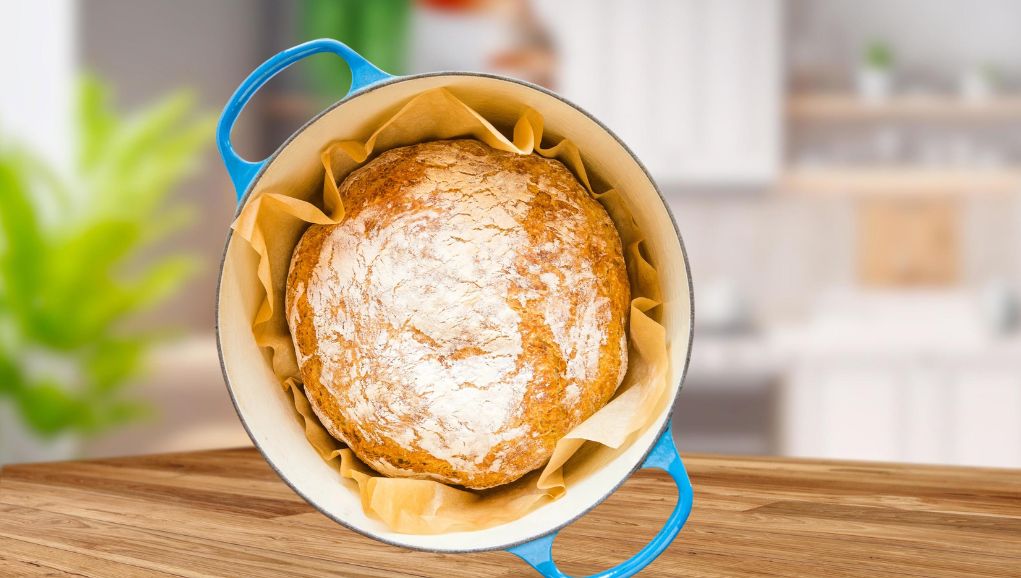
No-knead artisan bread is made from flour, yeast, salt, and water. The dough rests for 12–18 hours before baking in a preheated Dutch oven, which traps steam and forms a crisp, golden crust with a soft, airy interior. Using Dutch oven recipes allows home bakers to achieve bakery-quality results. Ingredients cost around $3–5 per loaf, and a heavy cast-iron or ceramic Dutch oven works best.
Pulled Pork
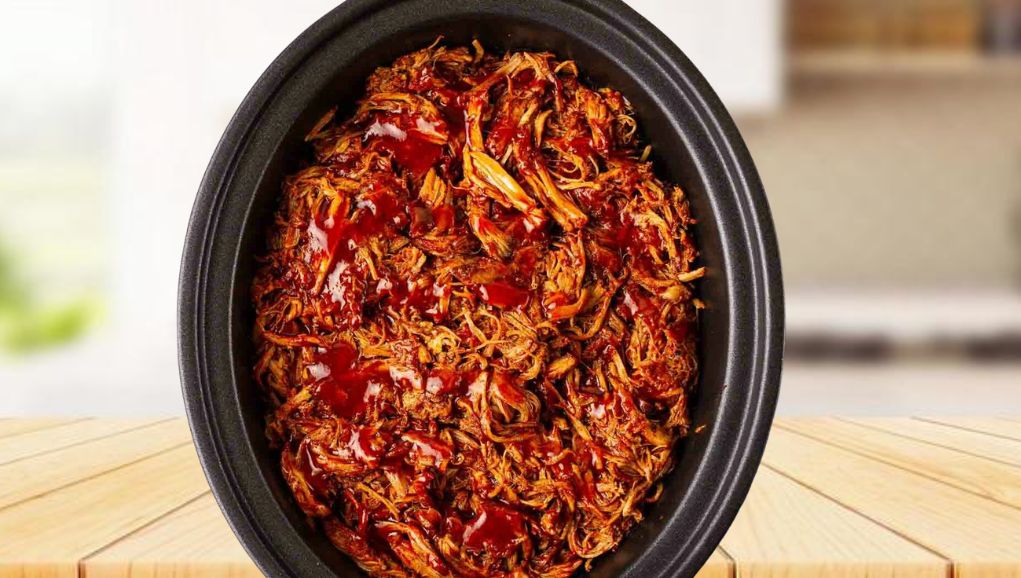
Pulled pork is made by rubbing a pork shoulder with paprika, chili powder, salt, and pepper, then searing it in a Dutch oven. Adding chicken broth and barbecue sauce, then slow-cooking for 3–4 hours, makes the pork tender and easy to shred. The flavor is rich, smoky, and tangy. Ingredients cost approximately $15–18, and a sturdy Dutch oven is required for best results.
Apple Crisp

Apple crisp uses sliced apples mixed with sugar, cinnamon, and lemon juice, topped with a mixture of oats, brown sugar, butter, and flour. Baking in a Dutch oven ensures a bubbly filling with a crunchy, caramelized topping. Using Dutch oven recipes for desserts helps achieve even heat and a consistent texture. Ingredients cost around $8–10, and an enameled Dutch oven is recommended for even baking.
Choosing the Right Dutch Oven
Selecting the right Dutch oven is crucial for even cooking and long-lasting use. Cast iron or enameled models provide excellent heat retention and distribution, ideal for slow-cooked meals. Sizes vary from 3 to 7 quarts, with prices ranging from $40 to $250. Using Dutch oven recipes with the proper pot ensures consistent results, tender textures, and optimal flavor development in both savory and sweet dishes.
Essential Ingredients for DutchOven Cooking
Key ingredients for successful Dutch oven meals include high-quality proteins like beef, chicken, or pork, fresh vegetables, and aromatics such as garlic, onions, and herbs. Broths, tomato pastes, and spices enhance taste and depth. When following oven recipes, combining balanced ingredients is essential to developing layered flavors. Costs vary by protein, from $3 per pound for chicken to $20 for premium beef cuts.
Cooking Techniques for Perfect Results
- Mastering cooking techniques is critical when using a Dutch oven.
- Searing meats first locks in juices, while slow simmering or braising develops rich, deep flavors.
- For baking, preheating the pot and using steam improve crusty textures.
- Following Dutch oven recipes carefully ensures proper timing and temperature.
- Heat management, layering ingredients correctly, and using the heavy lid all contribute to tender, flavorful, evenly cooked meals every time.
Cost and Budget Considerations
Cost is an important factor in Dutch oven cooking. High-quality enameled or cast iron ovens range from $40 to $250, while ingredient costs depend on the dish. Protein, vegetables, and specialty spices can add $10–25 per meal. Using Dutch oven recipes efficiently helps balance taste and cost, allowing for budget-friendly meals or indulgent dishes. Planning ingredients and shopping seasonally can reduce costs.
Materials and Maintenance Tips
- Dutch ovens are usually cast iron, enamel-coated, or ceramic, each requiring proper care to last.
- Cast iron needs seasoning to prevent rust, while enamel-coated pots avoid sticking but must be handled with care around sharp utensils.
- After cooking, cleaning with mild detergent and drying thoroughly preserves quality.
- Using Dutch recipes with the correct materials ensures longevity, consistent heat, and optimal results, whether for baking bread, simmering stews, or slow-cooking meats.
Flavor Enhancements and Seasonings
Enhancing flavors is key in Dutch oven cooking. Herbs like thyme, rosemary, and bay leaves, combined with spices such as paprika, cumin, or cinnamon, create depth. Aromatics, including garlic, onions, and citrus, add aroma. Following oven recipes ensures proper integration of seasonings at the right stage. Adding ingredients in layers, tasting, and adjusting salt or acid.
Conclusion
Dutch oven recipes make cooking flavorful, simple, and satisfying for home chefs, turning basic ingredients into rich, tender meals. From hearty beef stew and braised short ribs to smoky pulled pork and sweet apple crisp, these dishes offer variety and depth.
Using proper techniques like slow cooking, searing, and layering seasonings ensures perfect textures and consistent results. With ingredient costs ranging from $3 to $22 and Dutch ovens priced between $40 and $250, following Dutch oven recipes allows cooks to create both budget-friendly and gourmet-quality meals that impress family and friends every time.
Want to know about Cold-Weather Food: Ultimate Guide to Hearty, Nutritious, and Delicious Winter Meals for Energy, Immunity, and Cozy Comfort Check out our Lifestyle category.
FAQs
Cast iron provides excellent heat retention and even distribution, allowing food to cook consistently while developing deep flavors. It also works well for slow-cooking, baking, and braising.
Seasoning the pot properly and using sufficient oil or fat helps prevent sticking. Avoid high heat initially and stir occasionally during longer cooking to maintain smooth textures.
Most heavy-duty pots work on stovetops, ovens, and even induction surfaces. However, always check the manufacturer’s instructions to avoid damaging the material or enamel coating.
Hand wash with mild detergent, avoid abrasive scrubbers, and dry thoroughly to prevent rust. Regular seasoning enhances performance and keeps the surface non-stick over time.
They trap steam effectively, creating a crispy crust and soft, airy interior. Preheating ensures even baking, and high heat retention produces consistent golden results.