


A 4K monitor 144Hz represents the perfect blend of ultra-high resolution and high refresh rate technology, delivering an exceptional visual experience for both gamers and professionals. With four times the pixel count of Full HD and the ability to refresh the screen up to 144 times per second, these monitors offer stunning clarity, smoother motion, and reduced input lag.
They are especially valuable for modern gaming, content creation, and multimedia consumption, where visual precision, responsiveness, and immersive quality matter most. As hardware continues to advance, 4K 144Hz monitors are becoming a top choice for users seeking premium performance and future-ready displays.
| Category | Overview |
| Resolution | 3840 × 2160 (4K Ultra HD) |
| Refresh Rate | Up to 144Hz |
| Image Quality | Sharp visuals, high pixel density |
| Ideal Use Cases | Gaming, video editing, graphic design, multitasking |
| Panel Types | IPS (color accuracy), TN (fast response), VA (high contrast) |
| Response Time | Typically 1ms–5ms |
| Adaptive Sync | NVIDIA G-Sync, AMD FreeSync |
| HDR Support | HDR10 or higher for enhanced contrast |
| Connectivity | HDMI 2.1, DisplayPort 1.4, USB ports |
| Gaming Benefits | Smooth gameplay, reduced motion blur, low input lag |
| Hardware Requirement | High-end GPU recommended |
| Top GPUs | RTX 3080/3080 Ti, RTX 3090, RX 6800 XT, RTX 4090 |
| Limitations | High cost, demanding system requirements |
| Extra Features | Ergonomic stands, RGB lighting, and game modes |
What is a 4K Monitor 144hz?
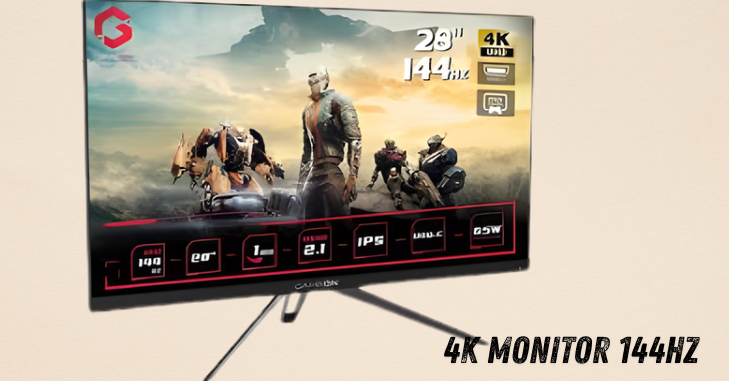
A monitor designated as 4K offers a resolution of 3840 x 2160 pixels, which is four times the resolution of Full HD (1920 x 1080 pixels). This dramatically increased pixel density results in sharper images, revealing intricate details that enhance various activities, including gaming, movie watching, and multitasking.
The clarity provided by 4K monitor 144HZ resolution is particularly advantageous for graphics-intensive work like photo and video editing, where precision is crucial. As such, 4K monitors are not just a luxury but a practical tool for professionals and enthusiasts alike.
Understanding Refresh Rate
Refresh rate, measured in Hertz (Hz), indicates how many times per second the image on the screen is updated. A 144Hz refresh rate means the monitor is capable of displaying up to 144 frames per second.
This feature is particularly beneficial for gamers, as a higher refresh rate can significantly improve the overall gaming experience by providing smoother gameplay, reducing motion blur, and minimizing input lag. The difference between a standard 60Hz monitor and a 144Hz monitor is striking, especially in fast-paced games where every millisecond counts.
Key Features of 4K 144Hz Monitors
When selecting a 4K 144Hz monitor, several key features should be taken into account to ensure you choose a device that meets your needs.
Panel Type
The type of panel used in a monitor plays a vital role in its performance characteristics. The three most common panel types are IPS (In-Plane Switching), TN (Twisted Nematic), and VA (Vertical Alignment).
- IPS Panels: These panels are preferred by many for their superior color accuracy and wide viewing angles. They are particularly well-suited for content creation and multimedia consumption, where color fidelity is critical.
- TN Panels: Typically characterized by faster response times, TN panels are popular among competitive gamers. However, they often compromise on color reproduction and viewing angles.
- VA Panels: Known for their excellent contrast ratios, VA panels provide deep blacks and vibrant colors. While they may have slower response times than TN panels, they offer a good balance for gaming and casual use.
Response Time
Response time is another critical specification that merits attention. Measured in milliseconds (ms), a lower response time is preferable, as it reduces the chances of motion blur and ghosting in fast-moving scenes. Most gamers should aim for monitors with response times of 5ms or lower to ensure a clear and responsive visual experience.
Adaptive Sync Technology
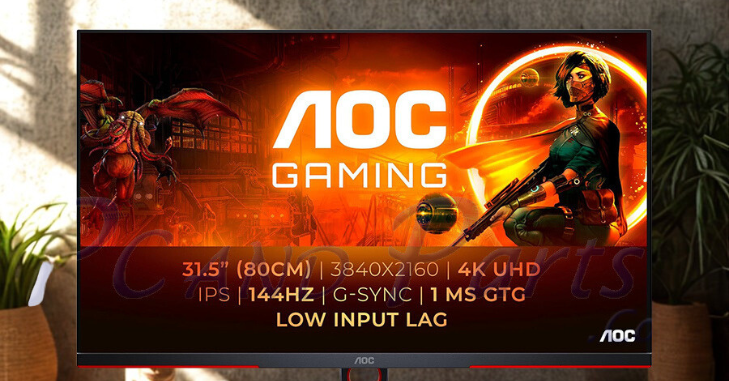
Adaptive sync technologies, such as NVIDIA’s G-Sync and AMD’s FreeSync, are designed to synchronize the monitor’s refresh rate with the frame rate output of the graphics card. This synchronization eliminates screen tearing and reduces stuttering during gameplay, resulting in a much smoother experience. Many modern 4K 144Hz monitors support these technologies, making them worthy considerations for serious gamers.
HDR Support
High Dynamic Range (HDR) is increasingly becoming a standard feature in modern monitors. HDR enhances the range of colors and the contrast between light and dark areas in a scene, resulting in a more lifelike viewing experience. Look for monitors that support HDR10 or higher to take full advantage of this technology, especially for gaming and cinematics, as HDR can significantly boost visual richness and detail.
Connectivity Options
Connectivity is crucial in maximizing the capabilities of your 4K monitor. Ensure that the monitor comes equipped with HDMI 2.1 or DisplayPort 1.4, which are necessary for achieving 4K resolution at 144Hz. USB ports can also be a valuable addition for connecting peripherals, and built-in speakers may enhance the overall experience, although dedicated speakers or headphones are generally recommended for serious gaming and media consumption.
Gaming Performance
Real-World Gaming Experience
The combination of 4K resolution and a 144Hz refresh rate offers an extraordinary gaming experience. Gamers enjoy stunning visual fidelity while benefiting from smoother gameplay mechanics. The increased pixel density and clarity allow players to appreciate the finer details in graphics, making environments and characters more immersive.
Frame Rates and Performance Metrics
Achieving high frame rates while gaming at 4K resolution can be challenging due to the significant demands on system resources. Therefore, gamers must balance graphics settings and performance metrics to ensure an enjoyable experience. Titles such as “Call of Duty: Warzone,” “Cyberpunk 2077,” and “Resident Evil Village” benefit immensely from higher refresh rates, reducing latency and providing smoother motion dynamics.
Most modern gaming graphics cards are capable of delivering impressive frame rates at 4K in less demanding titles. However, in graphically intensive games, you may need to adjust your settings to achieve an optimal balance between performance and visual quality.
Potential Limitations
While the benefits of a 4K 144Hz monitor are numerous, there are also limitations to consider. The primary challenge is the increased hardware demands. Running games at such high resolutions and refresh rates requires a powerful graphics card. This can necessitate significant investment in high-end GPUs. Additionally, some gamers may find that the improvements in refresh rate may not be as noticeable in casual gaming scenarios compared to more competitive settings.
Ideal Graphics Cards for 4K 144Hz Gaming
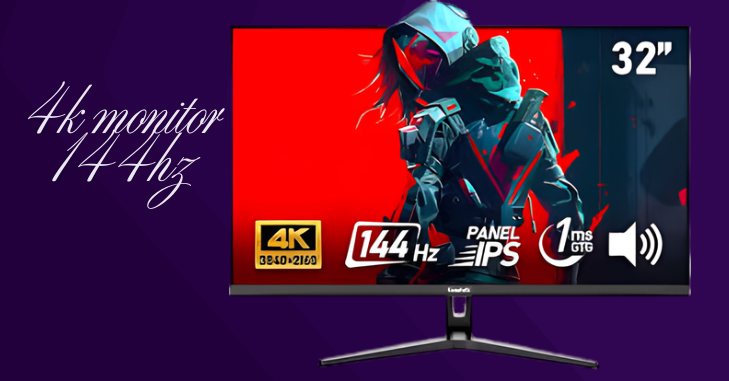
To fully leverage the capabilities of a 4K 144Hz monitor, a powerful graphics card is non-negotiable. Several options currently stand out for their performance in achieving high frame rates at 4K resolution.
NVIDIA GeForce RTX 3080 and 3080 Ti
Both the RTX 3080 and RTX 3080 Ti are exceptional choices for 4K gaming. They excel in delivering smooth performance in demanding titles at high settings. The 10GB GDDR6X memory on these cards allows for sufficient headroom when gaming at high resolutions.
NVIDIA GeForce RTX 3090
For those seeking the very best performance for 4K gaming, the RTX 3090 is a formidable choice. With its 24GB of GDDR6X memory, it is capable of handling the most demanding games and applications, making it ideal for future-proofing against upcoming titles. It’s worth noting, however, that this powerhouse will come at a premium price.
AMD Radeon RX 6800 XT
The AMD Radeon RX 6800 XT provides an excellent alternative for gamers looking for a competitive edge. It competes favorably with NVIDIA’s offerings and can handle 4K gaming smoothly with its 16GB of GDDR6 memory.
NVIDIA GeForce RTX 4090
Today’s reigning champion for 4K gaming is the NVIDIA GeForce RTX 4090. It offers unbeatable performance that ensures high frame rates across nearly all modern titles. With 24GB of GDDR6X memory, it provides ample resources for the most visually demanding games and applications.
Considerations for Graphics Card Selection
When selecting a graphics card, consider your budget and specific gaming needs. Depending on your gaming preferences, it may be prudent to invest in a higher-end card for future gaming titles that demand more resources. Balance performance with cost to find a card that best suits your individual requirements.
Additional Features and Considerations
Aside from core specifications, other features can significantly impact your overall experience with a 4K 144Hz monitor.
- Build Quality: A monitor’s build quality and design can influence not just aesthetics but also durability and usability.
- Design: Look for a monitor with a sturdy frame and a stand that allows for height adjustment, tilt, and swivel, enhancing ergonomics during long gaming sessions.
- Gaming Features: Many 4K 144Hz monitors come packed with gaming-specific features, such as customizable RGB lighting, which can add a personal touch to your gaming setup. Pre-set game modes also allow players to switch configurations quickly, optimizing settings for different genres like first-person shooters or role-playing games.
- Calibration Options: A monitor with built-in calibration options for color accuracy can significantly enhance the viewing experience, particularly for artists and content creators. Monitors that offer software for color calibration ensure you achieve the best possible image output tailored to your specific needs.
Conclusion
Investing in a 4K 144Hz monitor represents a significant leap in visual technology, enhancing your gaming and multimedia experiences drastically. By understanding key features such as panel types, refresh rates, adaptive sync technologies, and more, you can make an informed decision that best suits your needs. While 4K 144Hz gaming has its challenges, especially concerning hardware requirements, the benefits in terms of visual fidelity and gaming responsiveness are undeniable.
As technology continues to evolve, these monitors are set to become increasingly accessible, further transforming the landscape for gamers and professionals alike. Whether you are a competitive gamer or a casual player, a 4K 144Hz monitor can elevate your experience to new heights, allowing you to immerse yourself fully in your favorite games and multimedia content.
Want to know about 27 Msi Optix Mpg27cq: Everything You Need To Know About Key Features, Design, Display Specifications, And Much More Check out our Tech category.
FAQs
Yes, achieving 4K resolution at 144Hz requires a high-performance graphics card. Cards like the NVIDIA GeForce RTX 3080 or AMD Radeon RX 6800 XT are recommended for optimal performance in demanding titles.
While prices vary, 4K 144Hz monitors generally fall on the higher end of the market due to their advanced technology. However, as demand increases and technology becomes more widespread, prices are gradually decreasing.
Not all games will run at 144Hz at 4K resolution, especially demanding titles. You may need to adjust graphics settings for optimal performance. However, many games can run smoothly with the right hardware and settings adjustments.
Potential downsides include higher hardware requirements, which can be cost-prohibitive. Also, some users may not notice significant benefits unless gaming in competitive settings, where high refresh rates matter more.

